Posts in Plants
The Making of a Garden Room
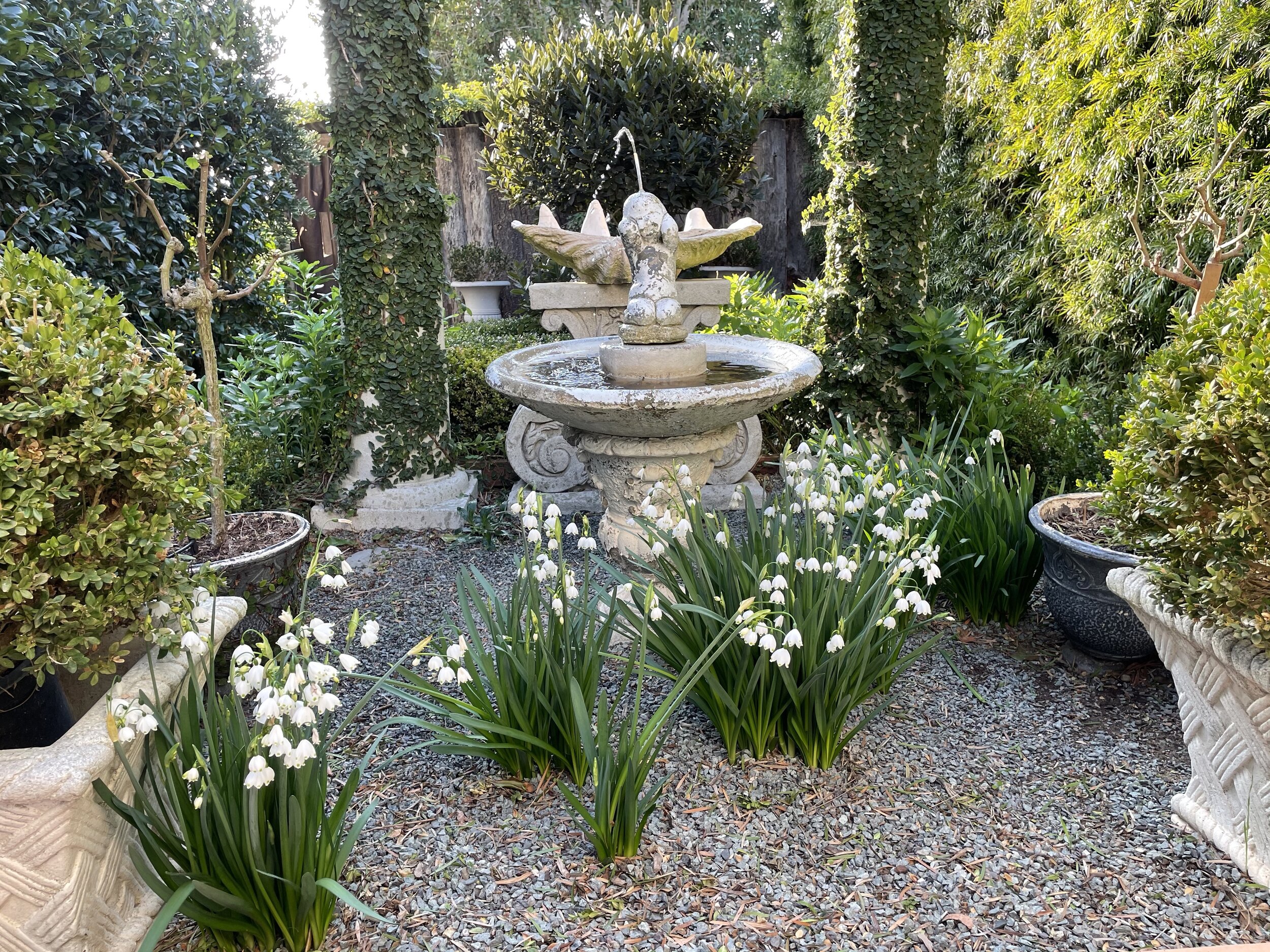
February 2021, Winter White Garden, Leucojum Blooming, Looking West

February 2021, Winter White Garden, Leucojum Blooming, Looking West

I am not a Landscape Designer, but I have had success in creating garden rooms from my vision. These garden rooms take time, and thought, and hard work. Don’t forget patience. In the end, however, the garden room I create usually evolves into something much better than my original inspiration and the original vision I had in my head, and I am overjoyed. I thought you might be interested in how I do it.

This is somewhat similar to what I wrote and mused about in January 2021. Dream big. Create a vision. Make your intention, own it. Release it to the universe to manifest it. Detach yourself from the outcome. If everything is aligned, your outcome is delivered to you, incredibly better, and so much more than you could have ever imagined.

May 2019, Spring Time White Garden, Roses and Alstroemeria Blooming, Looking West

May 2019, Spring Time White Garden, Roses and Alstroemeria Blooming, Looking West

1) Have a garden location or garden room area where you want to create a special spot. It might be a blank canvas, or it might be an existing garden that needs refreshing or revising.

2) Find inspiration in garden magazines, tours, books, and even word of mouth. Save these inspirations in a file. I found the inspiration for my white garden, two photos above, in a Garden Design May/June 2010 magazine article featuring a Charleston, South Carolina garden. I have not been to Charleston yet, but hope to get there one day. This particular photo really caught the vision and idea of what I wanted to do. It was a small garden, close to the house, appeared enclosed or walled, was European influenced, used topiaries, appeared to be half garden/half patio, was elegant, and visually beautiful.

Inspiration Photo from Garden Design Magazine May/ June 2010, of Charleston, S.C. Garden

Inspiration Photo from Garden Design Magazine May/ June 2010, of Charleston, S.C. Garden

3) Be aware that your piece of inspiration will most likely not be carbon copy of what you want, but it will have the bones in it, of what drew you to it. It will be much more than you ever imagined.

4) Put in your structural boundaries, or build your perimeter. First, we built a new fence near our property line, where none had existed. I planted a podicarpus privacy hedge on the north, and a privet hedge on the south close to our home. Our existing garden shed was the south boundary, and the back of my garage, the east boundary.

5) Create more garden details. Instead of brick, I used a stone pea gravel to create a large square which would anchor half of the garden. The other half of the garden, I created a square boxwood parterre with a bay laurel topiary tree, and iceberg roses, and connected them with mulched walking paths.

6) Add your adornments. Collect these over time. I had an existing vintage “garden baby” fountain, which found a home, front and center in the pea gravel square. It is also a cooling water feature in this little garden, and a great spot to watch little birds relaxing and bathing. Later I acquired two faux pillars, light as a feather, but very real in appearance. Next came more vintage pots, in white, and so white was the theme for the garden.

7) Assemble your plant materials, plan for different plants to bloom each season. Plan your plant palette. I planted several white iceberg roses, some bush, some topiary. Alstroemeria “Casablanca’ are tall, have movement, and anchor each pillar. Leucojum, perennial bulbs planted in the old garden, return each year unscathed through the pea gravel announcing spring is around the corner.

8) Let your garden design itself. Over time, I find the garden starts to take over, and create its own design. Picture an abandoned house or church, where the landscape slowly creeps in, and starts to reclaim the structure, and design itself. My privet hedge created a natural archway with a side limb reaching out to the pillar. Creeping fig, which was so hard to start in the beginning, now has almost totally covered each pillar.

Before Photo, Looking East, Circa 2001

Before Photo, Looking East, Circa 2001

Immediately above is the only photo I have of the garden somewhat early on, and I think it is around 2001. It is not even what the garden looked like when we first moved in. The camelia bush was existing, but there was no lawn, only weeds. The big change came in 2010, when we completed our home remodel, and this space became a small but inviting area for an intimate garden.

After Photo, Looking East, February 2021

After Photo, Looking East, February 2021

Immediately above, is how my white garden looks today. Happy and healthy, and looking forward to spring!
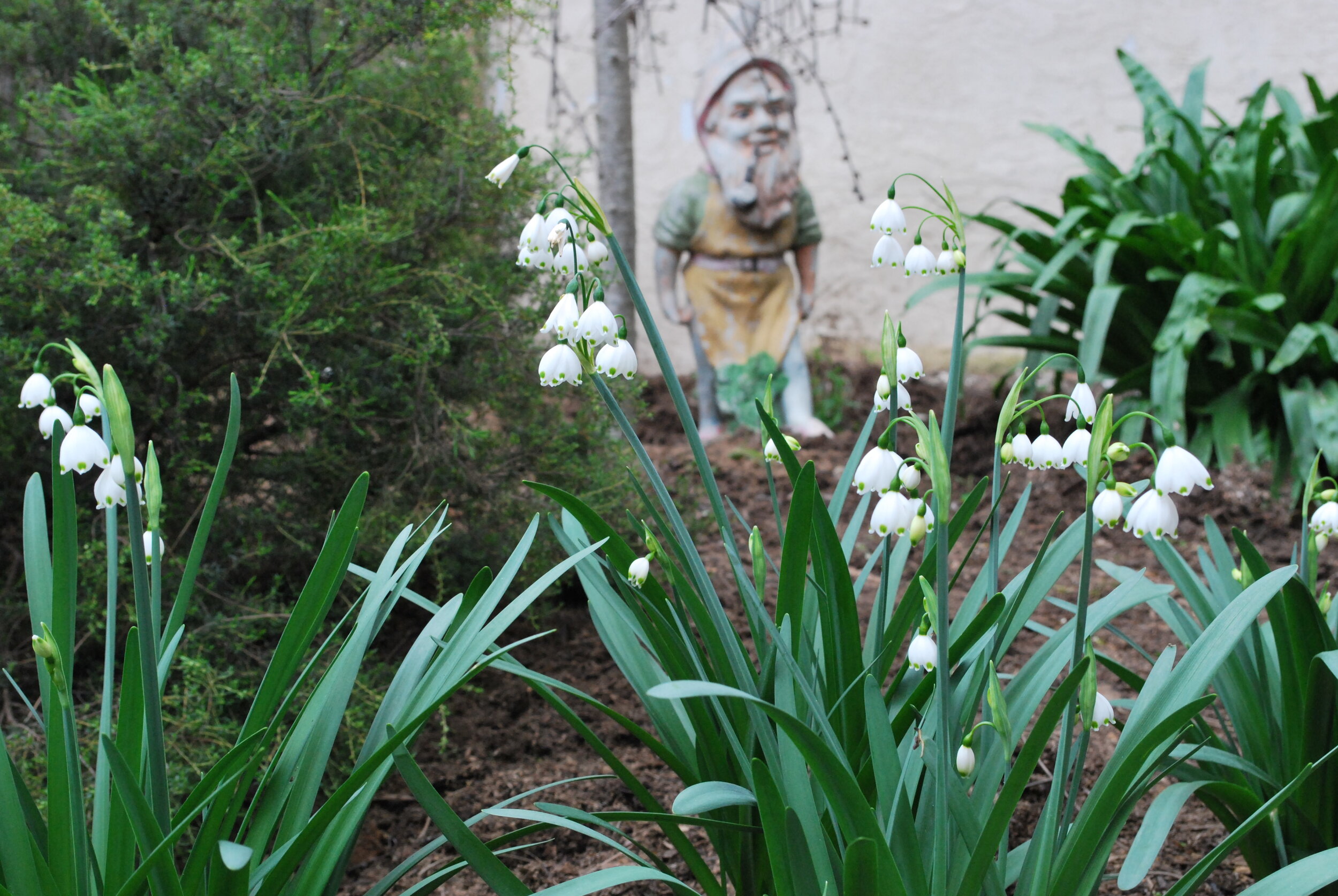
 
Leucojum Blooming

Leucojum Blooming

Click on Spring Blooming Gravetye Giant for my past post on the perennial bulb beauty. Please share where you get your garden inspirations and/or how you have created your favorite garden. Do tell!

Bon Weekend….Bonnie

Hedging Shasta Daisy
Shasta Daisies Make a Great Welcoming Entrance

Shasta Daisies Make a Great Welcoming Entrance

I want to share with you a great garden tip for an informal hedge, the perennial Shasta Daisy, Leucanthemum x superbum, Luther Burbank’s original hybrid. I struggled to find a suitable hedge or border for the entrance of my home because it is a sunny expansive area, had to look good year round, and present a warm and inviting entrance.

Why I like creating a border with Shasta Daisy:

1) I didn’t even buy the first starts, but were given to me by a dear friend. With the right happy conditions Shasta Daisy multiplies by itself, into a 2-4’ tall x 2’ wide mass. I wanted a fairly tall border in front of my Intrigue roses.

2) They bloom in July or mid summer when other parts of my garden are waning. The bright white flowers create a warm, cottage effect which put a smile on your face. Dead heading spent blooms encourages more blooming. Once all of the blooms are finished, I still have a beautiful green frilly perennial border throughout the year.

3) Shasta daisies like sun, but will fair well with some shade. They like moderate water. I have them on drip away from my home.

4) Butterflies are attracted to them, and often are fluttering around them.

5) In the spring or fall, I can divide plants to increase or reduce the width of my border.

6) Shasta Daisies glow in moonlight.

7) They are an excellent cut flower, last a long time in a vase, for your garden bouquets.

8) Shasta Daisies are easy to care for, fairly disease resistant, and respond well to a good pruning once a year.

9) Mass planting or repetition is always solid design.

Do you have this wonderful perennial in your garden now? Not only are Shasta Daisies great for a border or hedge, they do well in containers too!

Smiling Shasta Daisies Are Perfect Greeters

Smiling Shasta Daisies Are Perfect Greeters

Climbing Eden Rose
Climbing Eden Rose In My Potager

Climbing Eden Rose In My Potager

It has taken me three years to cultivate a single bloom from my climbing Eden Rose. It is not easy to find Eden Rose in local nurseries. Search for this rose in pot and bareroot form for sale online. Heirloom Roses is one source for it in a pot.

I first planted my Eden Rose in too shady a spot where it struggled. Finally, this winter I transplanted it to my potager arch to co-mingle with my young Golden Dorsett apple trees. It is very happy now, and has exploded with happy blooms. Eden Rose is a versatile repeat bloomer with an unusual blend of pastel pinks, creams, and yellows. I simply love this rose, and it reminds me of Provence!

I saw and recognized Eden Rose while visiting the magnificent potager, Bastide des Saveurs, near the village of La Cadiere-D'Azur in the Bandol Region of Provence. Here is a link to my past post and visit with Chef René Bérard in May 2015.

Chef René Bérard told me this rose was called Pierre de Ronsard. In the back of my mind, I knew it had another name, and did some exploring. According to Wikipedia, Eden Rose, also known as Pierre de Ronsard was created by Marie-Louise Meilland in France by Meilland International in 1985, as part of the the Renaissance Collection.

Bastide des Saveurs is Chef René Bérard's potager and location for cooking classes. For a treat, visit his website for more information on his quaint family-owned hotel, restaurant, spa, and cookery school,  Bérard Hostellerie.


Provence Morning Light and Eden Rose in Chef Bérard's Potager

Provence Morning Light and Eden Rose in Chef Bérard's Potager

Climbing Eden Rose in My Potager

Climbing Eden Rose in My Potager

Miracle-Gro Garden Interview

Dirty hands are all in a day's work for Bonnie Jo Manion. That's because this avid garden writer, speaker and photographer knows first-hand that working the soil is what it takes to create beautiful things others can enjoy.

It is official, the Miracle-Gro Rose Parade website is up and running with news, announcements, and details on their upcoming float. Miracle-Gro is the Official Rose and Flower Care Company for the fourth year in a row for the Rose Parade, and this year is especially meaningful as their float will be "California Grown" certified. This means that 85% or more of the flowers and plant material will have been grown in California. Today 98% of the roses in the United States currently come from outside of the country. Miracle-Gro is the first major brand to take this hugely visible step to support California Flower Farmers, The California Cut Flower Association, and invite customers like myself to supply flowers and plant material for their float.

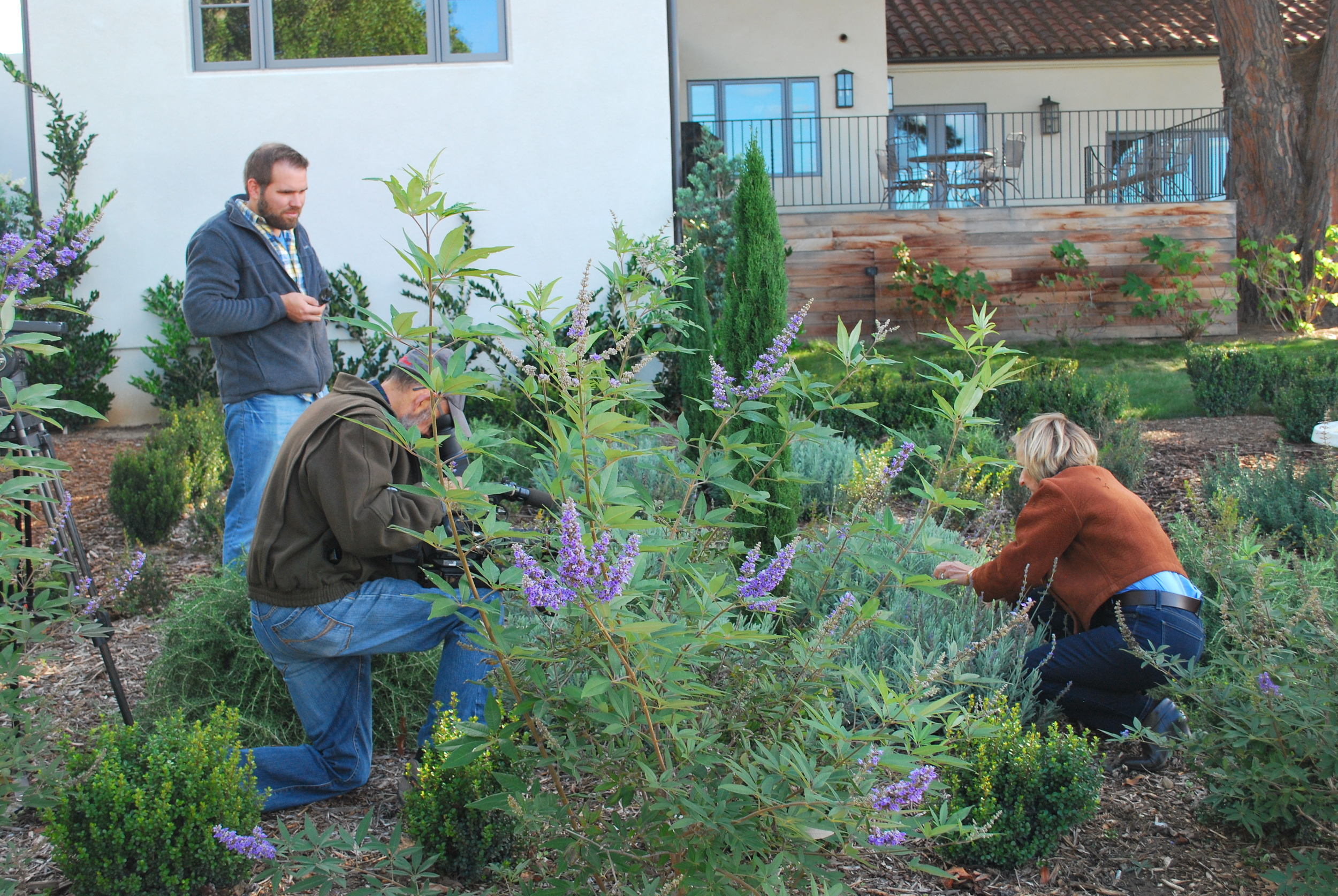
Last month the talented film crew for Miracle-Gro visited my garden for a garden interview and a first-hand look at what plant material I will be sharing from my garden for their float as one of the "Miracle-Groers."  In the video you can see the olive tree, lavender, and rosemary cuttings which will make the symbolic journey. 

Maybe I should explain what are "Miracle-Groers" and why they were selected. Four Southern California gardeners and two California flower farmers  were chosen to participate as "Miracle-Groers" and grow flowers and plant material from their gardens and farms that will be used on the float. Not only were "Miracle-Groers" selected on their ability to provide flowers and plant material, they have demonstrated a passion for sharing and inspiring gardening in their communities and beyond, and providing helpful tips and information for conserving water during the state-wide drought. We all are honored to be riding the Miracle-Gro CAGrown "2016 Farm to Float" together at the Rose Parade this coming New Year's Day. Meet the Miracle-Groers, with their interesting backgrounds and stories.


A Special Invitation
Interview & Photo Shoot in My Garden

Interview & Photo Shoot in My Garden


Recently, I received a special invitation. I am one of four California gardening connoisseurs selected and invited to join Scotts Miracle-Groer Team for this year's 2016 Tournament of Roses Parade and ride on their float on New Year's Day.

Scotts Miracle-Gro is a proud sponsor of the historic Tournament of Roses Parade for several years now. Their float this year promises to be particularly exciting as it embraces a "California Grown" theme, and is endorsed by the California Cut Flower Commission. This means that 85% or more of the flowers, seeds, and plant materials used in creating this float are grown in California. 

The float's theme of "California Grown" goes further by recognizing others who are important to gardening and growing in California. Two California flower farmers, Mel Resendiz of Resendiz Brothers Protea Growers out of San Diego County, and Harry and Michele Van Wingerden of Myriad Flowers out of Santa Barbara County, will be spotlighted and riding on the float.

Scotts Miracle-Gro recognizes the importance of California home gardeners. As one, I am very honored to be selected, and in a symbolic gesture I will be sharing and providing specific flowers and plant material from my garden for this special float.

We all know how important school gardens are to our children and the community. This is the second year that Scotts Miracle-Gro has supported the Pasadena School Garden Program headed up by Mud Baron, and he will be riding on the float. 

The icing on the cake, is the charismatic HGTV home design guru, Ty Pennington, celebrity spokesperson and part of the Miracle-Groer Team, also riding on the float New Year's Day.

Clipping Plant Material from My Garden

Clipping Plant Material from My Garden

On a recent blustery Tuesday morning, I had the good fortune of a visit from Scotts Miracle-Gro camera crew for a garden interview, glimpse of my garden, and look at some of the plant materials that will be I bringing to Pasadena for the float. 

I invite you all to start your New Year's Day 2016 watching the Tournament of Roses Parade.

Look for Scotts Miracle-Gro float with all of us proudly riding it, and reflect on all that this float represents--our magnificent flower farmers, our school garden programs, the millions of Californians who love to garden, how we care about our homes and gardens, and all of us who care about giving back.

This coming Tuesday, November 24, 2016 is Scotts Miracle-Gro "California Grown" Kick-Off at the John Muir Ranch Pasadena High School in Pasadena. This day will be full of activities, such as helping Ty Pennington make raised garden beds, helping distribute Thanksgiving produce baskets to the community, enjoying a delightful "Garden-to-Table" lunch, and a chance to meet the Scotts Miracle-Groer team in person.


"Field to Vase" Dinner Tour at Kendall Farms, Fallbrook
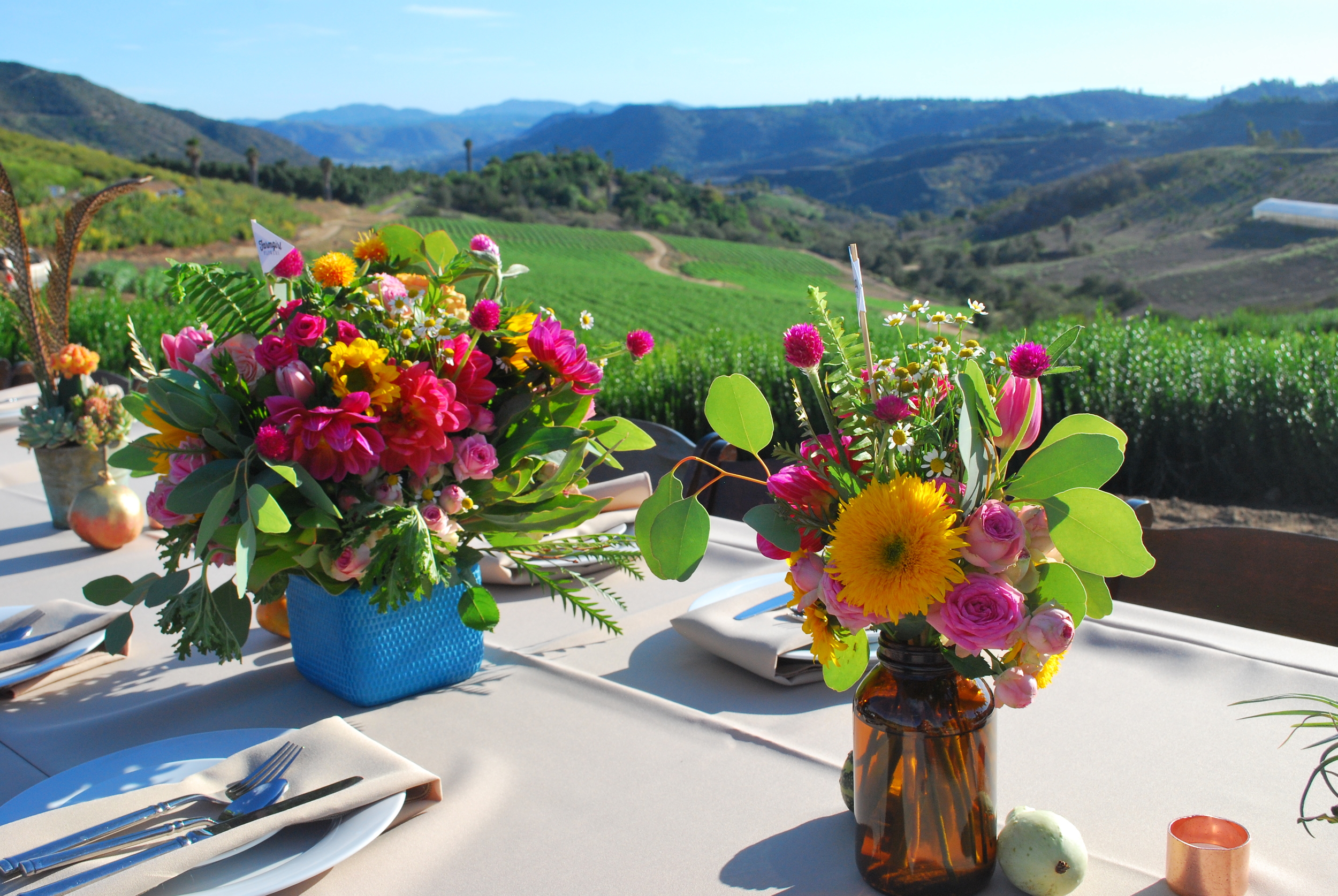
Farmgirl Flower Bouquets With Flower Fields As Backdrop

Farmgirl Flower Bouquets With Flower Fields As Backdrop

The setting at host family farm, Kendall Farms in Fallbrook, California, couldn't have been prettier for the "Field to Vase" dinner, second to the last of what has been a whirlwind 10-city dinner tour across the country promoting American-Grown flowers.  

Each dinner has been beautifully orchestrated and it is the ultimate in "al fresco" dining  featuring a four-course "farm to table" dinner, locally grown and made wines, and a special floral designer to highlight the host farm's flowers. Guests are encouraged to mingle with the host flower farmers, featured flower designer, and farm-to-table chef. Goodwill Flower Ambassadors, Kasey Cronquist of Certified American Grown, and Debra Prinzing, Founder of the SLOW FLOWERS movement are present to speak about the evening's event and carry the torch for the growing movement to support and buy American-Grown flowers from your local flower farmers.

Even the Tractor Was Dressed for the Occasion

Even the Tractor Was Dressed for the Occasion

I'm sure not many of the 144 guests who attended knew what was in store for them as they were guided on meandering dirt roads that twisted higher and higher and eventually came  to an open expansive area where the event was held. One continuous table was set in a half circle to take advantage of the postcard-perfect vista and the surrounding landscape of various flowers such as wax flower, sunflowers, myrtle, and silver dollar eucalyptus.

Jason Kendall gave the dinner group a brief history of the farm and tour before dinner commenced. Being a farmer is never easy, and there have been some setbacks such as the 2008 Rice Fire which burned a majority of the farm. What did they do, turned "lemons into lemonade" and the farm has comeback stronger and is thriving. Kendall Farms was Jason's father, Dave Kendall's dream, and the family has embraced his dream. Jason Kendall and his cousin, Troy Conner, are savvy flower farmers in what they grow, how they market, how they build their infrastructure. It was a joy to share this evening with them, and experience first-hand their fortitude, ingenuity, and beauty of their flowers.

Evening Glow Over the Table

Evening Glow Over the Table

Floral Designer for this event was Christina Stembel of Farmgirl Flowers. Chef was Richard Bustos of Heart of the House Catering for Appetizers, Salad, Entree, and Side. Robin McCoy of Robins Nest Desserts, made the Chocolate Torte accompanied with an infused Rosemary Ganache. Fallbrook Winery served their tasty local wines.

Chef Berard at La Bastide des Saveurs
Gracious Chef Réne Bérard

Gracious Chef Réne Bérard

In hot pursuit of cold rosé wines, my husband, John, and myself found ourselves in the fairytale region of southern Provence near the Bandol area. It is breathtakingly beautiful much, like the lower Rhône Valley with medieval hilltop villages and rugged rolling landscapes, with the blissful addition of the glistening Mediterranean in your sight.

We stayed in the hilltop village of La Cadiere-d'Azur, where some of the village's defense walls date back to the 13th Century still stand. By recommendation we stayed at the Hotel Bérard, a quaint family-owned and managed hotel that also boasts a Michelin-starred restaurant. In fact, father, René Bérard, and his son, Jean-François are the chefs.

In my research I noticed on their website, Bérard Hostellerie, there was a property in a garden setting, La Bastide des Saveurs, in which they offered cooking classes, sommelier food and wine pairings, and special events. I innocently asked if we could see the garden at La Bastide des Saveurs--thinking it was a grand vegetable garden. The tour was arranged and the next morning Chef Rene Berard personally met and escorted us the three kilometers to his property.

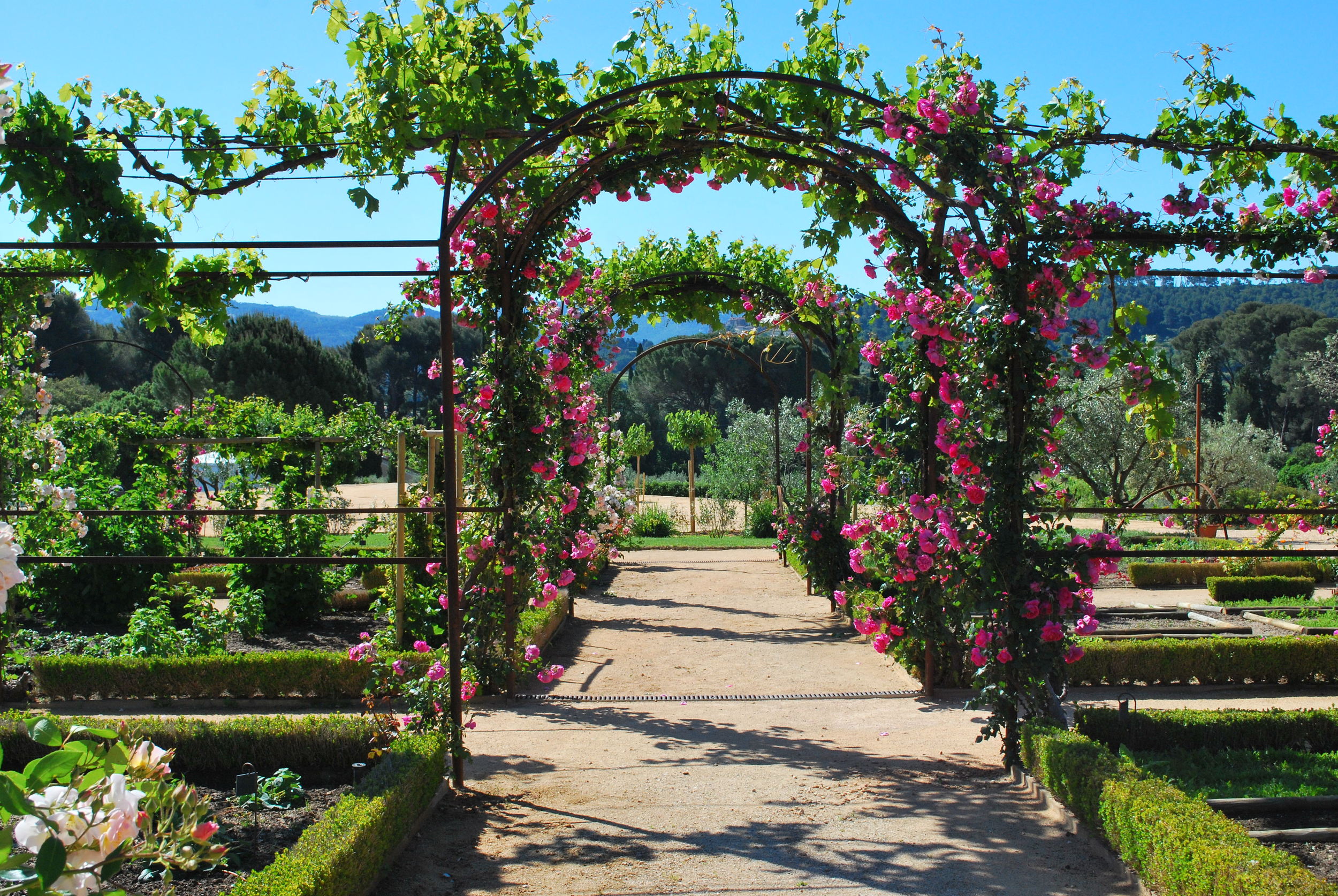
Yes, La Bastide des Saveurs was a grand vegetable garden or potager and so much more to my surprise and delight! It proved to be one of the most beautiful gardens I have ever seen, mixing herbs, flowers, and vegetables together. Typical of a potager is a focal point, pathways, and divided parts of garden planted in herbs, vegetables, and flowers. Arches of happy blooming roses billowed along the pathways. I saw one of my favorite climbing roses over and over in full glory, the lovely Pierre de Ronsard, or better known in the United States, as the climbing Eden rose.

Arches of Roses in His Potager

Arches of Roses in His Potager

Chef Berard was so gracious to detail and explain how he used these herbs and vegetables in his cooking. Chef Berard speaks a bit of english, and I speak a bit of french, but we were definitely speaking the common language of "cooking from the garden." On this beautiful morning, the light and landscape added dramatic drama to this incredible garden. I thought to myself, this must be one step away from heaven.

Staked Spiral Tomatoes

Staked Spiral Tomatoes

Chef Berard showed us how he plants many different varieties of tomatoes, and how he successfully stakes them individually, and anchors them with end poles. I must try and find this tomato pole for next year's growing season.

Provence Fountain, Olive Trees and Lavender

Provence Fountain, Olive Trees and Lavender

Everything was spectacular about this property, down to the Provencal fountain holding court amongst the olive trees, lavender, and iceberg roses. I highly recommend looking into cooking classes at La Bastide des Saveurs. Chef Berard will customize cooking classes for a group of six or more. You can find more detailed information at Hotel Berard.

Intrigue for the Rose "Intrigue"

I can't take credit for this incredible bouquet of roses. It was on our lunch table at the gorgeous Rose Story Farm Last spring I had the exciting opportunity to visit Rose Story Farm, a real-life rose farm in Carpenteria Valley just south of Santa Barbara, California. Rose Story Farm is a family owned and operated farm which grows 150 different rose varieties amongst 25,000 rose bushes. It has been on my radar since I first saw an article about it in Martha Stewart Living.

All of these roses are cultivated in soil, cut fresh, and flown all over the country for special events. As you can imagine the variety of roses grown at Rose Story Farm have to meet rigorous standards with very desirable rose characteristics. The mauve rose caught my eye in particular, and I learned it was the "Intrigue" rose. I love the color, and was looking for a great rose for my garden and worked my garden palette.

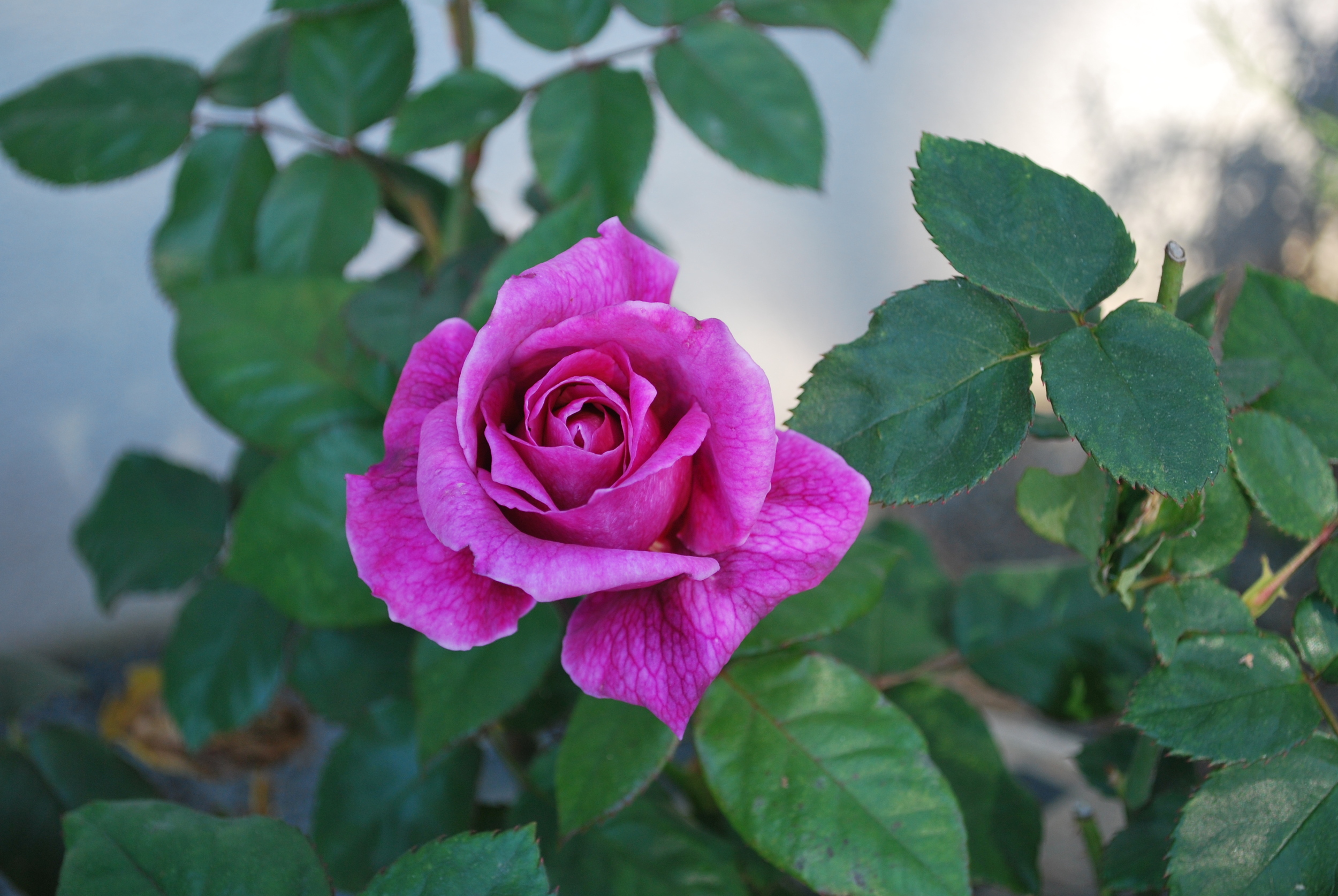
I was able to find the Intrigue rose and bought several for mass planting curb appeal in the front of my home. It is first of all, a truly striking rose which has small clusters of large, loose magenta blossoms on long stems. It blooms continuously from spring to fall. It is a large rose reaching 4-5 feet tall and 3 feet wide. It's dark plum-tinted foliage is an additional plus, and adds a pleasing color contrast to it's roses. It is  an AARS awarded winner. Here it is blooming to bloom for the first time in March in my garden.

  If you are a rose enthusiast, you must plan on taking a tour at Rose Story Farm. Try and visit the end of April, beginning of May, when the roses are at their height of bloom and beauty. Please share if you have visited Rose Story Farm. Please comment on your favorite garden rose.