
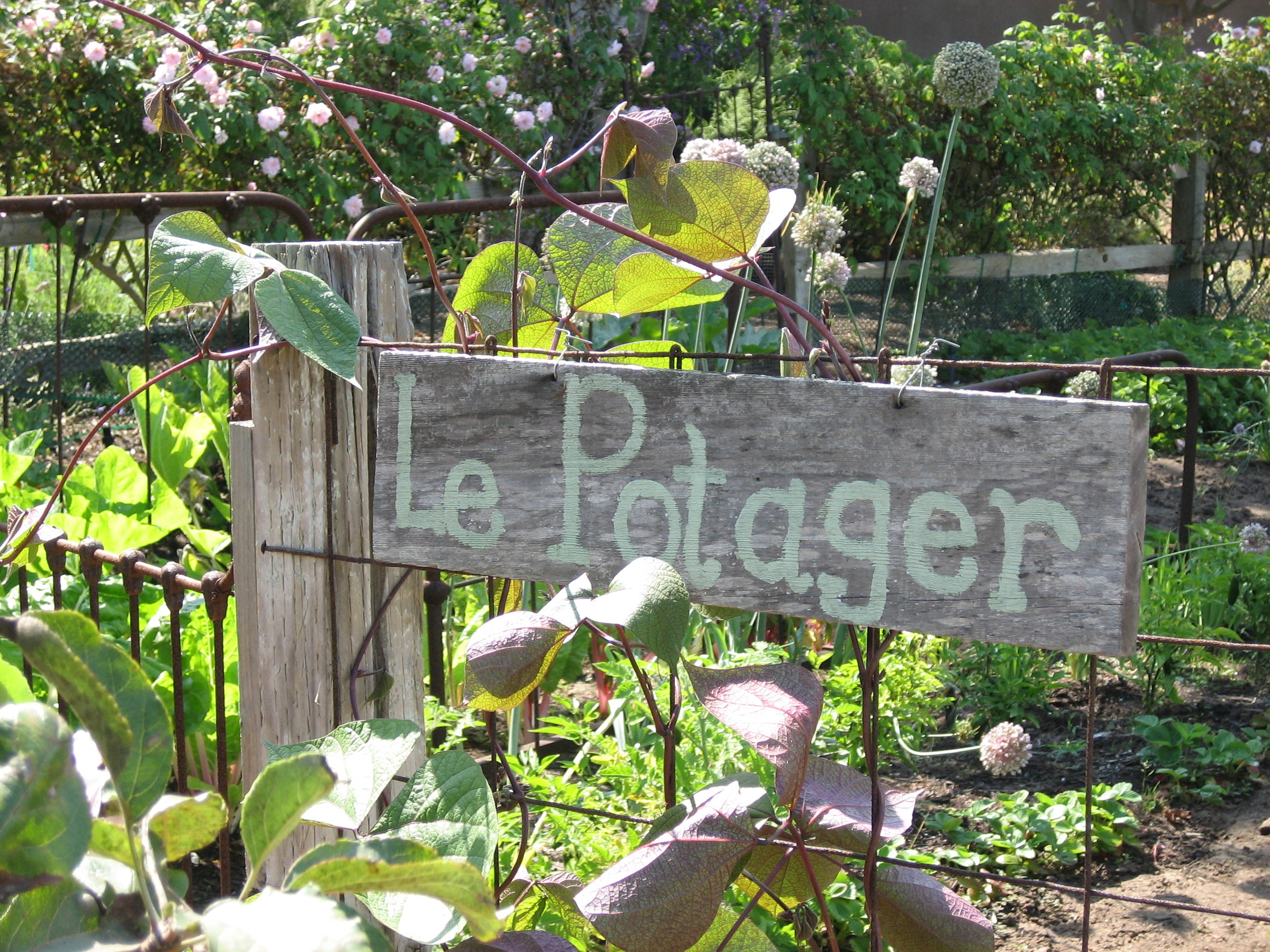
 Do you wish you could extend the "fresh vegetable concept" of summer throughout the year by growing your vegetables year-round. Well, you can, and it is much easier than you think. It is an age-old concept borrowed from the French, called the "potager" or literally translated "soup garden".
In France, a potager may be very formal and considered a jewel on an estate or situated on the succinctly elaborate grounds of a chateau. A potager may also be very humble, next to a small farmhouse in the countryside, by railroad tacks in the suburbs, or in urban plots outside a nearby town. Wherever they are located or however they are designed, they have been a foundation for French food culture, and the French tradition of eating seasonal fresh foods.
A potager is a French-style kitchen garden composed mainly of seasonal vegetables and herbs. A potager may also include a few fruit trees, and even seasonal flowers. The sole purpose of a potager is to provide a year-round supply of fresh daily produce for a family or a small group of people. It is usually a small and manageable plot of 10' x 10', or 9' x 12' in size.
A potager is divided up into plots that are individually managed and rotated as the seasons unfold each year. It requires some planning, management, knowledge of your specific growing seasons, and knowledge of what you are growing, on your part to be successful with a potager.
In America, generally speaking, our traditional backyard vegetable garden consists of planting the garden in the spring, reaping fresh produce over the summer, and sometimes utilizing the abundance of the harvest by freezing or preserving for use over the winter, or for another time.
Americans, unlike the French and other Europeans, do not normally have a vegetable garden year-round. This might be changing now. One of the hottest food trends today is "growing your own vegetables". Gardeners such as yourself, want to keep the "fresh produce concept" alive after the summer has waned. We all know that fresh strawberries out of a morning garden for breakfast, or fresh green beans harvested still warm from the sun, are a delight to the senses and incomparable.
We are also being influenced by active local organic farms supplying restaurants and farmer's markets with new and exciting types of produce to explore and enjoy. Their underlying message is "eat locally".
This is an introduction to the concept of the "potager". Follow along as I discuss further the elements of the potager, how to implement a potager, how to manage, and what you might want to plant throughout the four seasons in your potager. For a related post on vegetable gardening basics at VintageGardenGal see, 7 Basic Steps of Successful Vegetable Gardening.
Do you have a potager now? Where did you first see a potager? What is your motivation for vegetable gardening year-round?

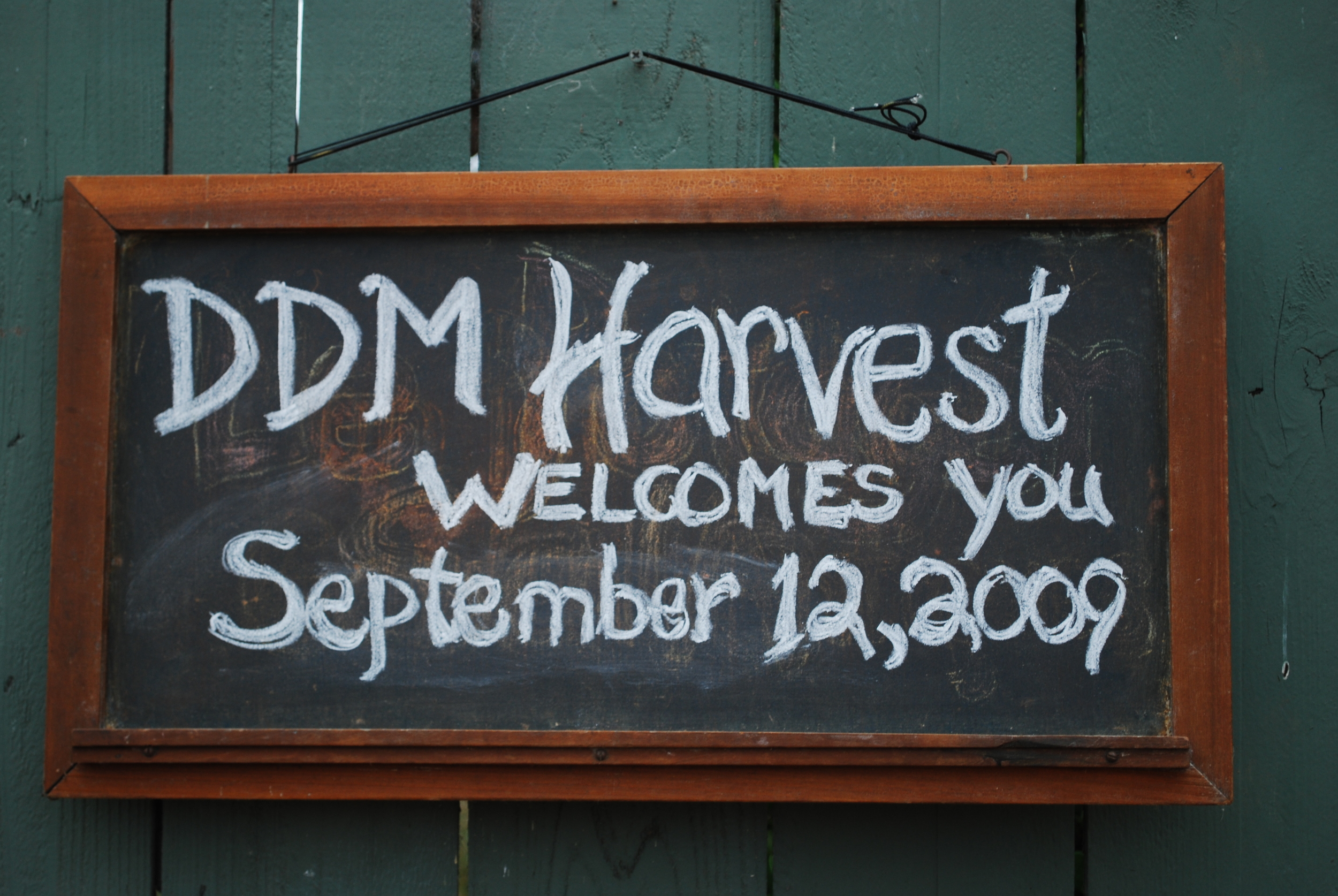
 There is something about chickens which just fascinate children. Whenever we have children visiting, it is always the chickens and chicken coop they want to venture to first. Maybe, it is because they don't have the opportunity to see chickens, other then in a book, or at the zoo. Maybe it is because chickens are relatively small in size, generally not aggressive, communicate in "coos and clucks", can be hand-fed treats, and often are as curious about children as children are about them.
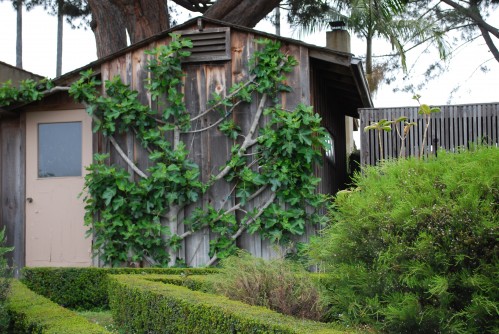 There is a lot of interest in espaliered trees right now. It is an art form, visually attractive, and espaliered trees lend themselves easily to small spaces with high fruit yield. For espalier basics, including how to plant your tree initially and espalier patterns, see related post,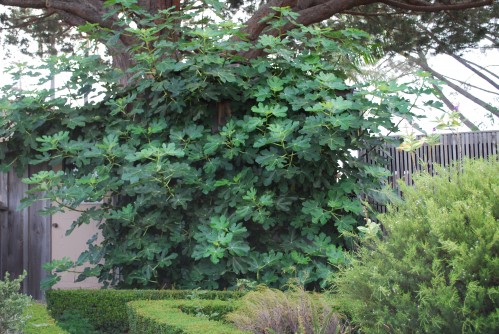
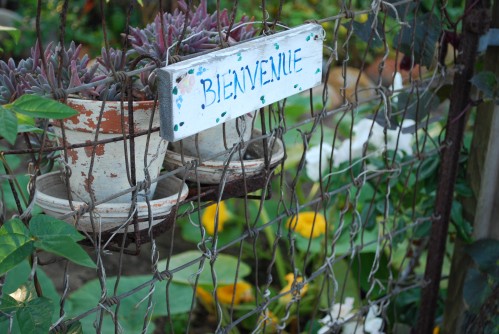 September 4, 2009 marks the one year anniversary of VintageGardenGal, a garden lifestyle blog. Many thanks to those who have visited in the past year, your wonderful comments, and enthusiasm. May those who are drawn to this blog, continue to find valuable information, creative ideas, musings, inspiration to dream, and most important, welcome more garden into your lives.
 by Thomas Hobbs.